
Ageing brings many changes, and for some, loose skin, sagging cheeks, and loss of jawline definition become noticeable. While a full facelift is a common solution, not everyone wants major surgery. That’s where a mini facelift comes in.
A mini facelift is designed for those looking for a subtle lift with minimal downtime. It’s a great option for individuals with mild to moderate signs of ageing who want to restore a refreshed, natural look. This procedure is gaining popularity due to its quick recovery and long-lasting results.
If you’re considering this treatment, understanding what happens before, during, and after the procedure can help you make an informed decision. Let’s break it down step by step.
Preparing for a Mini Facelift
Before undergoing a mini facelift, a few key steps are necessary to ensure the best results.
Consultation and Evaluation
Your journey starts with consulting a qualified facial plastic surgeon. During this visit, the surgeon will evaluate your skin elasticity, facial structure, and overall health to determine if you’re a good candidate for the procedure.
This is also the time to discuss your aesthetic goals and expectations. The surgeon will explain how the procedure works, what kind of results you can expect, and whether additional treatments—such as fillers or skin resurfacing—might enhance your outcome. You’ll also receive pre-surgery guidelines, including instructions on medications to avoid, lifestyle adjustments, and preparation for a smooth recovery.
However, choosing the right expert is just as important as the procedure itself. So, whether you are considering a mini facelift in Boston or elsewhere, look for a surgeon with proven expertise, experience, and a strong track record in facial plastic and reconstructive surgery for the best possible results.
What Happens During the Procedure?
It is a relatively quick and minimally invasive procedure. Here’s what you can expect:
1. Anesthesia and Incisions
Most mini facelifts are performed under local anaesthesia with sedation, meaning you’ll be awake but won’t feel pain. Some surgeons may use general anaesthesia, depending on your case.
The incisions are small and strategically placed around the ears and hairline to ensure minimal scarring. The goal is to lift and tighten the skin without making it look unnatural.
2. Lifting and Repositioning the Skin
Once the incisions are made, the surgeon will:
- Gently lift and tighten the skin to smooth wrinkles and sagging.
- Remove or reposition excess fat to restore facial balance.
- Secure the tissues with fine sutures to ensure long-lasting results.
The entire procedure takes about two to three hours, depending on the extent of the corrections.
Immediate Post-Surgery Recovery
After surgery, patients typically go home the same day with bandages to support healing and minimize swelling. Here’s what to expect in the first few days:
1. The First 24 Hours
You may feel mild discomfort, but pain is usually manageable with medication. Swelling and bruising are normal and should begin to subside within a few days. Resting with your head elevated helps reduce swelling.
2. First Week Post-Surgery
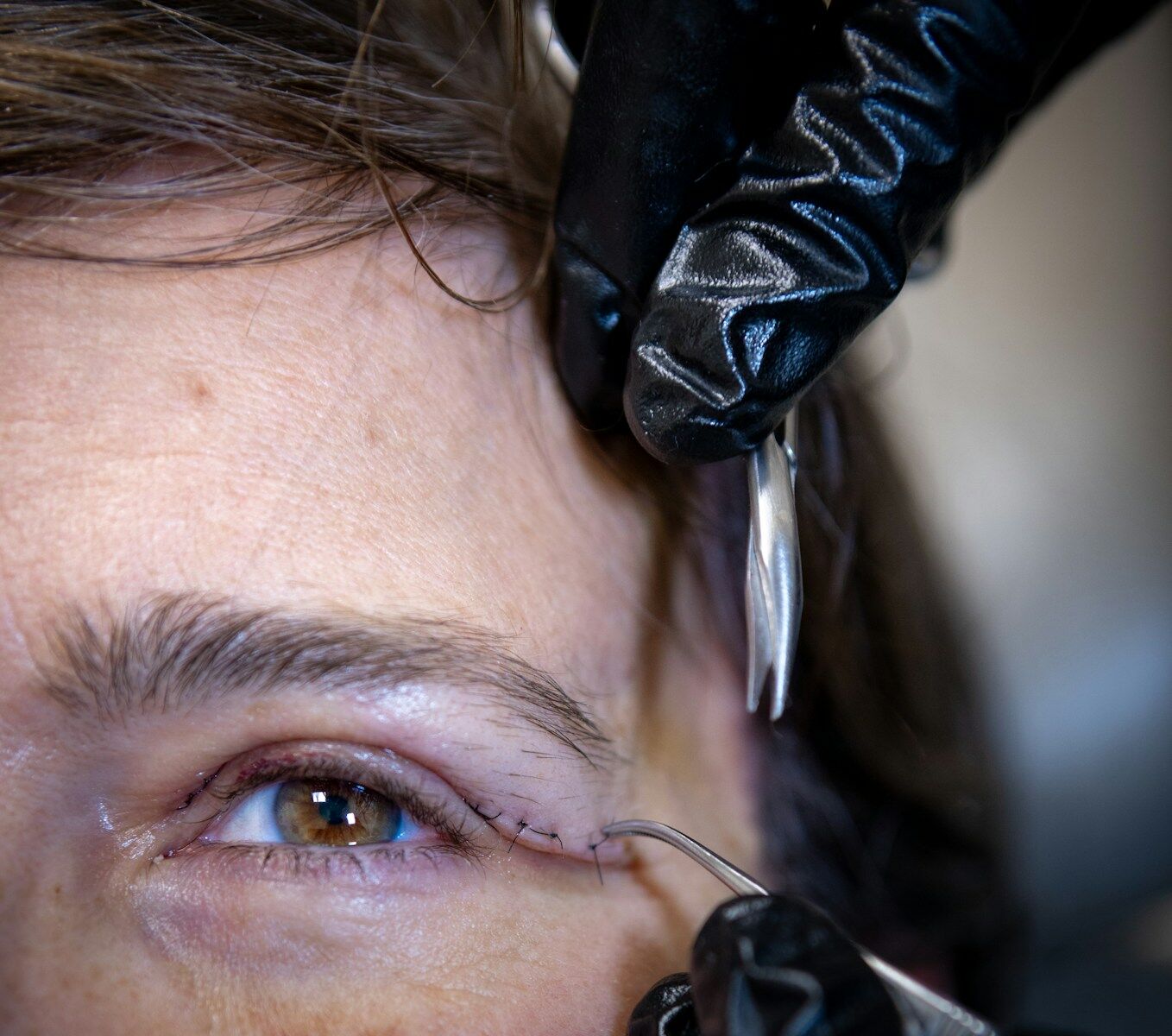
Stitches are usually removed within 7-10 days. Most people can resume light activities within a week but should avoid strenuous exercise. Swelling continues to decrease, and initial results become more visible.
Following your surgeon’s post-care instructions is essential to ensuring proper healing and preventing complications.
Long-Term Recovery and Results
It offers quicker recovery than a traditional one, but full healing still takes time. While most swelling and bruising fade within two weeks, your face will continue to settle and refine over the next few months.
By week four, most patients notice smoother skin, a more defined jawline, and a naturally lifted appearance. The final results typically become fully visible within three to six months as any remaining swelling disappears.
To maintain long-lasting results, it’s important to follow a good skincare routine, stay hydrated, use sunscreen, and avoid smoking. While it doesn’t stop the natural ageing process, its effects usually last three to five years, depending on lifestyle and skincare habits.
For those seeking subtle yet effective rejuvenation, a mini facelift provides a refreshed look with minimal downtime—allowing you to enjoy a more youthful appearance for years to come.
Why Choose a Mini Facelift Over a Full Facelift?
Many people prefer a mini facelift because it offers significant improvements without major surgery. Here’s why:
1. Shorter Recovery Time
Unlike a full facelift, which requires weeks of downtime, a mini facelift allows you to return to normal activities much faster.
2. More Natural-Looking Results
A mini facelift provides a subtle lift, avoiding the “pulled” or unnatural appearance that some fear with traditional facelifts.
3. Less Scarring
Since the incisions are smaller and placed discreetly, scarring is minimal and well-hidden.
4. Lower Risk and Cost
Because it’s a less invasive procedure, a mini facelift generally comes with fewer risks and a lower cost compared to a full facelift.
Final Thoughts
Now that you know what to expect before, during, and after a mini facelift, you’re in a better position to make an informed choice. If you’re thinking about taking this step, the next move is to consult a qualified surgeon. They can help you understand what’s best for your unique needs and create a plan that aligns with your goals.




Leave A Comment