
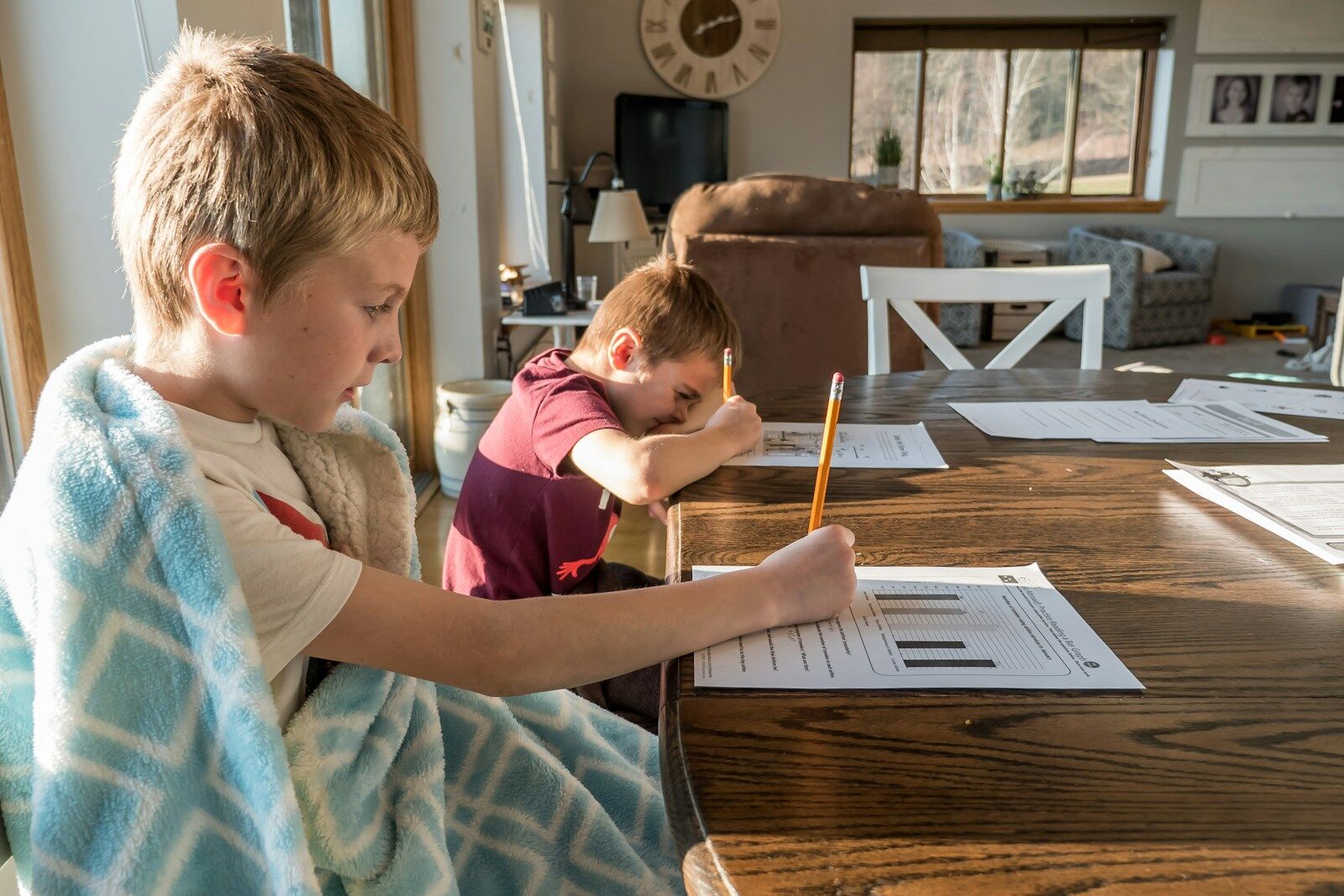
A Parent’s Guide to Online School
Your child dreads Monday mornings. Perhaps the classroom has become a source of anxiety, or a demanding sporting schedule keeps clashing with lesson times. Maybe a recent house move has left the local school places full, or your family simply travels too often for a fixed timetable to work. Whatever the reason, plenty of parents reach the same conclusion: the traditional school day is not fitting their child’s life.
Online school is one answer, and it has grown well beyond the emergency remote learning many families remember from a few years ago. Here is how to think it through.
Start by naming the actual problem
Before comparing providers, get clear on what is not working. “School isn’t right for us” is too broad to act on. Is it the environment, the pace, the travel, the timetable, or your child’s wellbeing?
A child who is bored and unchallenged needs something very different from one who is recovering from a difficult experience. Writing down the specific pressure point gives you a way to judge whether an online option genuinely solves it, rather than just moving the problem online.
What online school actually looks like day to day
The word “online” covers a wide range of setups, so it pays to ask questions. Some online schools run live, timetabled lessons with a teacher and a class. Others lean heavily on recorded content the child works through alone. The difference matters enormously for a young person who needs structure and human contact.
Look for teaching staff, a proper curriculum, and pastoral support rather than a library of videos. Ask how progress is tracked, how children are grouped, and how they socialise with peers. A good online setting still has a rhythm to the day and adults who know your child by name.
The worries parents raise most often
Two concerns come up again and again: screen time and isolation.
On screens, remember that engaged learning is not the same as passive scrolling. A structured lesson with breaks, discussion and offline tasks is a healthier use of a screen than many alternatives. Set boundaries around the rest of the day and the balance usually holds.
On isolation, this is where the choice of provider counts. Strong online schools build in group lessons, tutor groups, clubs and shared projects. Many families also find their children have more energy for local friendships, sport and hobbies once the daily commute and classroom fatigue are gone.
Making the switch manageable
Change unsettles most children, even a welcome one. Give it a settling-in period rather than expecting everything to click in week one. Keep a simple daily routine, protect regular breaks, and check in on how your child feels as much as on what they are learning.
It also helps to keep the outside world part of the picture: a weekly club, a sports team, time with friends. Online school removes the building, not the childhood around it.
Families exploring flexible options that keep a full curriculum alongside genuine teacher support often look to an established online school such as Minerva Virtual Academy, which is designed around children who need something more adaptable than a standard classroom. You can read more at https://minervavirtual.com.
A calmer way to decide
The goal is not to prove that online school is better than in-person school, or the reverse. It is to match the setting to the child in front of you. Name the problem honestly, ask providers hard questions, plan the transition gently, and give it time to work. For a good number of families, that process leads somewhere far happier than where they started.
—
About the author: Minerva Virtual Academy is an online school supporting students who learn best outside a traditional classroom, offering a full curriculum, qualified teachers and pastoral care delivered online. Minerva Virtual Academy works with families across the UK and internationally, helping young people study flexibly while staying connected to teachers and peers.





Leave A Comment