
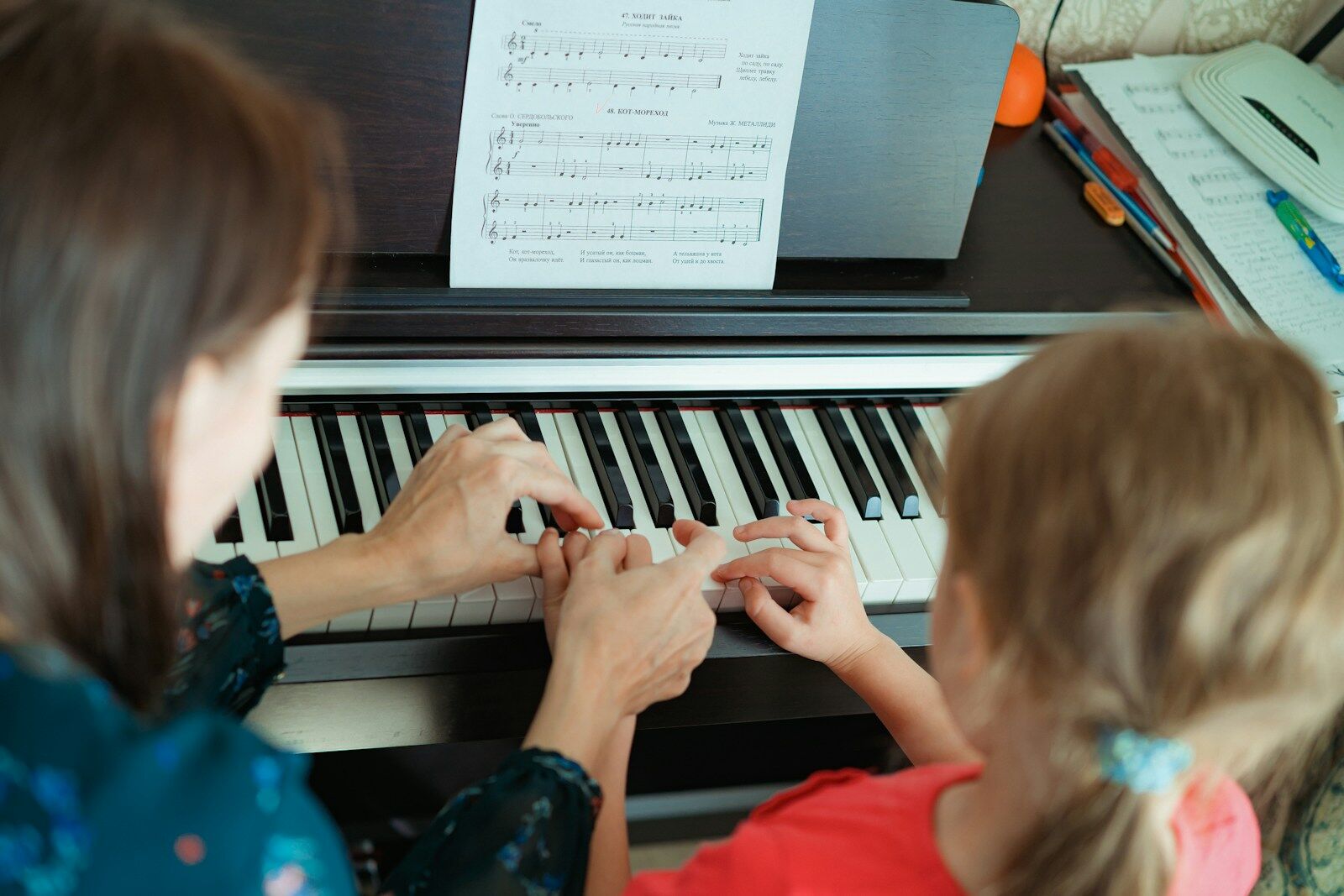
Every parent has weighed up the value of music lessons at some point. The recorder squawks, the piano scales, the cost of a good teacher. Is it all worth it when there’s homework to be done and exams on the horizon? The short answer is yes, and the reasons are more practical than you might expect. Here are six ways learning music quietly supports the grades on the report card.
1. It builds the memory muscle
Reading music, memorising pieces and recalling technique all give the brain a regular workout in recall. That same skill transfers straight into revision, where remembering facts, formulas and quotations is half the battle. Children who practise an instrument are, in effect, training their memory every single day.
Takeaway: a child who can memorise a sonata can memorise a spelling list.
2. It teaches genuine discipline
There are no shortcuts to playing well. Progress comes from short, regular practice, and children learn that effort today pays off in weeks, not minutes. That habit of steady, patient work is exactly what carries a student through longer academic projects and exam preparation.
Takeaway: the discipline of daily practice becomes the discipline of daily study.
3. It sharpens focus
Playing an instrument demands sustained concentration. Eyes on the music, ears on the sound, hands doing something entirely different. Holding all of that together stretches a child’s attention span, and that focus does not switch off the moment the instrument is packed away.
Takeaway: better concentration in the music room means fewer distractions in the classroom.
4. It strengthens maths without anyone noticing
Rhythm, timing and note values are maths in disguise. Counting beats, dividing bars and working out patterns all reinforce numerical thinking in a way that feels like play rather than practice. Many children grasp fractions far more easily once they have felt them in a piece of music.
Takeaway: music gives abstract numbers a sound and a shape.
5. It gives confidence a real boost
Performing, even to a small audience, teaches children to manage nerves and trust their preparation. That confidence spills over into presentations, oral exams and the simple act of putting a hand up in class. A child used to playing in front of others is rarely fazed by speaking in front of them.
Takeaway: the stage prepares them for every moment that matters.
6. It creates a healthy balance
A demanding academic timetable needs a release valve. Music offers a creative outlet that lowers stress and gives the mind a rest from constant analysis. Well-rounded schools understand this, and schools that value both academic ambition and creative development tend to see happier, more resilient students as a result.
Takeaway: a balanced child learns better than an exhausted one.
The honest verdict
Music is not a magic shortcut to top marks, and no responsible parent should sell it that way. What it does is build the habits, focus and confidence that make good grades far more achievable. The benefits are quiet and cumulative, showing up over years rather than weeks.
So if your child wants to pick up an instrument, let them. The skills they gain will follow them long after the last exam, and the grades may well thank you for it. For more on how creativity and academic achievement work together, take a look at https://bramptoncollege.com.
—
*This article was contributed by the team at Brampton College, an independent sixth form college based in Hendon, North London. Brampton College specialises in A Level and GCSE education, combining strong academic results with pastoral support and a broad enrichment programme that includes music, drama and the arts. The college is known for helping students reach leading universities while developing the wider skills that matter beyond the exam hall.*






Leave A Comment