

Ask a parent what they want for their child, and grades rarely top the list. Most say something closer to “I want them to be happy, kind and able to stand on their own two feet.” Yet the way schools are often judged tells a different story. League tables reward marks on a page, not resilience under pressure or the confidence to speak up in a room full of strangers.
Both matter. The trouble comes when one is measured obsessively and the other is left to chance. So it helps to look at the difference between what an exam captures and what it quietly leaves out.
What exams are good at, and where they stop
Exams do a useful job. They test whether a child has understood a topic, can recall it under time pressure, and can structure an answer clearly. Those are real skills, and they open real doors.
What an exam cannot show is how a child copes when the answer does not come easily. It says nothing about whether they helped a classmate who was struggling, held a nerve during a performance, or picked themselves up after losing a match. A results slip records the outcome. It never records the character built along the way.
Measured skills versus lived ones
The clearest way to see the gap is to put the two side by side.
Measured skills tend to be individual, written down, and assessed at a single moment. Lived skills are social, practised over years, and tested in messy real situations rather than a quiet exam hall. A pupil might score highly on paper yet freeze when asked to lead a group. Another might struggle with timed tests but be the one everyone turns to in a crisis.
Neither child is “better”. They are simply strong in different areas, and a school worth its salt develops both rather than treating one as the main event and the other as a happy accident.
Where personal development actually happens
Character is not taught in a single lesson labelled “resilience”. It grows in the ordinary moments spread across school life: the debate that goes badly, the team role nobody wanted, the rehearsal that runs late, the project that needs finishing when energy is low.
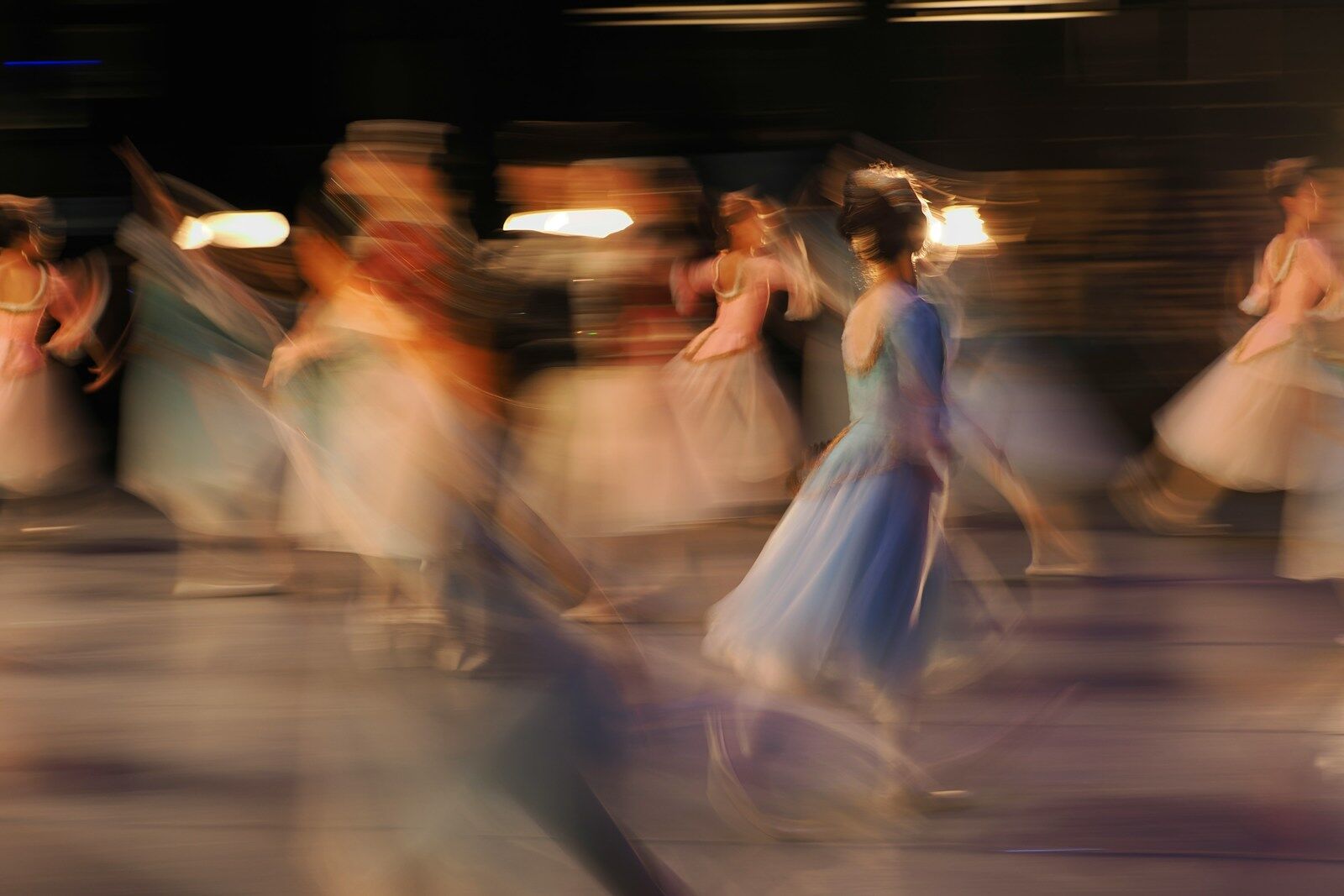
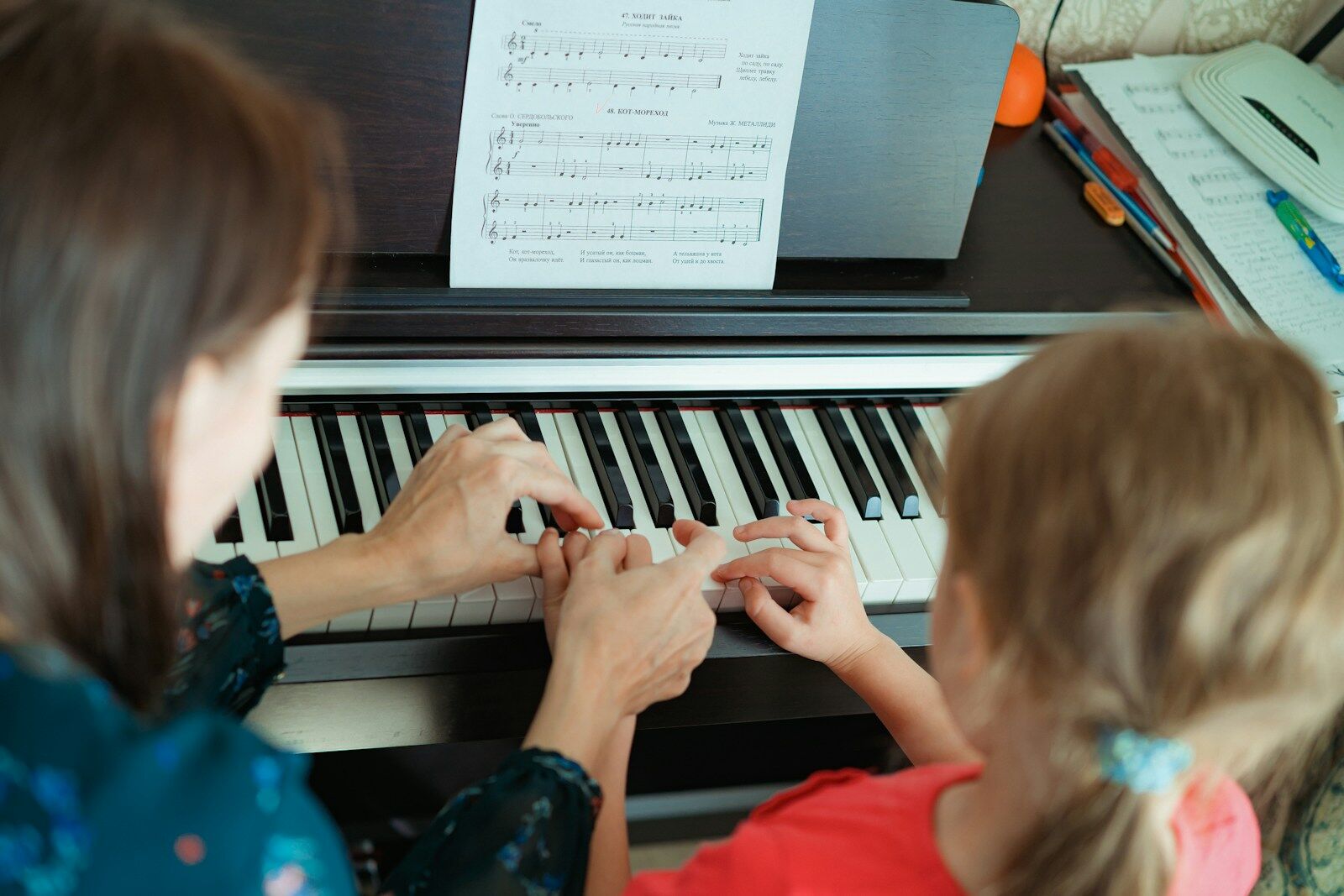
This is why broad opportunity matters so much. Sport teaches children to win graciously and lose without falling apart. Music and drama build the nerve to perform. Outdoor pursuits and boarding life teach independence and the small kindnesses that come from living alongside others. Families looking for a place that treats [personal growth as seriously as academic results |https://mountkelly.com] often find that the widest chances to stretch and stumble come from schools with genuine range in what they offer.
Choosing between the two priorities
So how should a parent weigh this up when comparing schools? A few honest questions help.
Does the school talk about children as people, or only as results? Are the extras – sport, arts, service, leadership- treated as central or as an afterthought? When you visit, do the pupils look at ease with adults and with each other?
Somewhere like Mount Kelly makes a point of joining the two together, so that academic effort and personal growth feed one another rather than compete. That balance is worth looking for, because the child who leaves school confident, curious and kind carries something no certificate can quite express.
Exams measure a moment. Personal development shapes a life. The best schools understand that the second is not a bonus on top of the first. It is the whole point.
You can read more at https://mountkelly.com.
—
About the author
This article was contributed by the team at Mount Kelly, an independent day and boarding school in Devon for pupils aged 3 to 18. Set on the edge of Dartmoor, Mount Kelly combines strong academic standards with a wide programme of sport, music, drama and outdoor education, helping every pupil grow in confidence and character. The school is known nationally for its swimming and its commitment to developing well-rounded young people ready for life beyond the classroom.




Leave A Comment